For a lot of children, the family dog is the first death they ever meet — and they meet it without any of the language adults have built up for the occasion. That’s what makes this specific gift hard. You’re not really buying an object; you’re buying the family a way to have a conversation, and the child something solid to hold while it happens.
So the first two picks are books, and they earn their place. Dog Heavenis the one most families reach for first: short, warm, readable aloud in a single sitting, and unambiguous in a way children need. The second is a newer pet-loss picture book built around remembering the dog rather than only losing them, which is often the better second read a week later. Both are explicitly heaven-framed, which suits many families and won’t suit all — worth knowing before you buy.
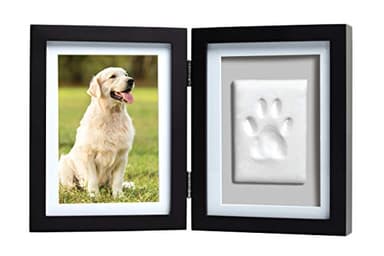
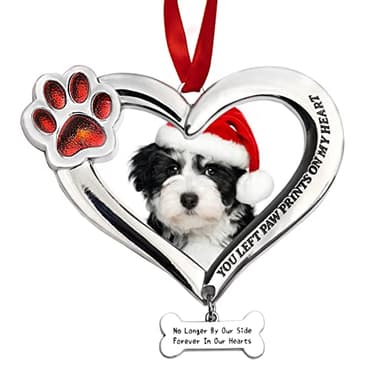
The keepsakes matter for a different reason. Young children grieve concretely: they want to hold the thing, look at the thing, keep the thing under the pillow. A framed photo beside a paw print, an ornament with the dog’s name to hang each December, or a blanket printed with their face all give that. They also do something quietly useful — they make it clear the dog is allowed to be talked about, which is exactly the permission a grieving child is looking for.
Below, each pick has a one-line reason and a live price, ranked best-first. If you’re also shopping for the adults in the house, our pet sympathy gifts guide covers what to send them, and gifts for a grieving dog mom goes further for a parent who is holding everyone else together.
Roughly by age
Under 5.They will ask when the dog is coming back, repeatedly, and it’s not because they weren’t listening — permanence takes time to land. Keep it concrete and physical: a picture book, a photo they can carry, the dog’s blanket. Use plain words. “Put to sleep” is the phrase that causes the most confusion at this age.
5 to 8. Ritual helps most here. Let them choose the photo for a frame, help take or place a paw print, draw a picture to keep by the bed, or hang a named ornament. Doing something is how this age processes it. They may also ask blunt, practical questions about the body or the ashes; answer them simply and without flinching.
9 to 12.Old enough to feel guilt — about the last walk they skipped, about being at school when it happened, about not saying goodbye. Watch for that specifically, and say out loud that none of it was their fault. Keepsakes with the dog’s name work well; so does being given a real job, like putting a photo book together.
Teenagers.Often the hardest hit and the least visible about it, especially if the dog arrived when they were small — that dog is their entire childhood. Don’t force conversation. A keepsake they can keep privately, a printed photo for their room, and an adult who mentions the dog by name without making it a Moment tends to be right.
What helps, beyond a gift
Say the true words.Died, not went away. Vague language leaves children to fill the gaps themselves, and what they fill them with is usually worse — that the dog is lost somewhere, that sleep is dangerous, that they might be sent away too.
Let them have a ceremony. A tiny one. A candle, a drawing, a stone in the garden, everyone saying one thing they remember. Children do far better with a marked ending than with a dog who simply stopped being there one Tuesday.
Tell the school.A one-line message to their teacher costs nothing and explains the week that follows. This is often a child’s first grief and it shows up as distraction, temper or stomach aches rather than tears.
Expect it to come back.At bedtime, at Christmas, on the anniversary, or the first time another family gets a puppy. A memorial they can revisit — a frame on a shelf, an ornament in a box — gives those moments somewhere to go. There are more ideas in our guide to pet memorial ideas for a dog.
And don’t rush the next dog.If it happens, let it be its own decision with the child included — not a patch. When that day does come, our new puppy guide is a much happier page than this one.
Shopping for the rest of the family?
Gentle sympathy gifts and keepsakes for the adults, plus the words to send with them.